


7 Up Down vs Jhandi Munda: Rules, Dice and Gameplay Compared

Dice games offer simple rules, quick rounds, and different ways to understand chance. However, not every dice game works the same way. 7 Up Down uses numbered dice and their combined total, while Jhandi Munda uses dice with symbols. Understanding these differences helps readers compare their rules, gameplay, and probability before choosing a game.
Players searching for a 7 up 7 down online game real money apk may also want to explore Jhandi Munda. Both games appear on the My Master Teen Patti platform, but they follow different rules and result systems. This guide compares both games with simple examples, clear explanations, and answers to common questions.
What Is 7 Up Down?
7 Up Down is a dice game that uses two standard six-sided dice. Players choose whether the total will fall below 7, equal 7, or exceed 7.
How Does 7 Up Down Work?
Choose one of the three options: Down, Exactly 7, or Up.
Two dice roll together.
Add the numbers shown on both dice.
Compare the total with your selected option.
Check the result and applicable payout rules.
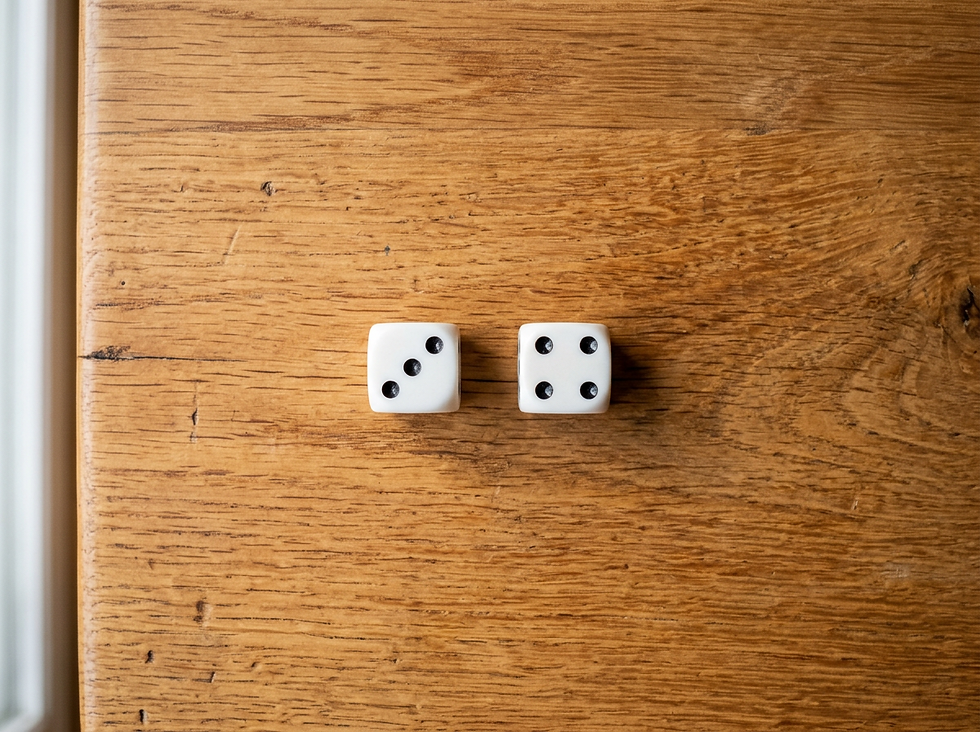
For example, dice showing 3 and 4 produce a total of 7. A roll showing 5 and 6 produces 11, which falls under Up.
Two dice create 36 equally likely ordered outcomes when they are fair. Down and Up each cover 15 outcomes, while exactly 7 covers six. Therefore, each of the first two categories has a 41.67% probability, and exactly 7 has a 16.67% probability.
What Is Jhandi Munda?
Jhandi Munda is a traditional dice game that uses six dice featuring symbols instead of numbered faces. Common symbols include a flag, crown, heart, diamond, spade, and club.
How Does Jhandi Munda Work?
Select one or more symbols according to the game's rules.
Decide your stake if the version involves wagering.
Roll all six symbol dice together.
Count how many dice display each selected symbol.
Check the game's payout table to determine the result.
For example, if three dice show a heart, the selected heart symbol appears three times. The outcome depends on the game's settlement rules and payout table.
7 Up Down vs Jhandi Munda: Key Differences
Feature | 7 Up Down | Jhandi Munda |
Number of dice | 2 | 6 |
Dice faces | Numbers 1–6 | Six symbols |
Main objective | Predict the total category | Select symbols and count matches |
Result calculation | Add both dice | Count matching symbols |
Possible outcomes | Totals from 2 to 12 | Different combinations of six symbols |
Main probability concept | Sum of two dice | Frequency of selected symbols |
Payout structure | Depends on the selected category | Depends on symbol matches and the paytable |
The main difference is how each game determines a result. 7 Up Down focuses on numerical totals, while Jhandi Munda focuses on repeated symbols.
Which Game Is Easier to Understand?
7 Up Down may feel easier for beginners because players only need to add two numbers and compare the total with 7. Its three categories also make the result straightforward to follow.
Jhandi Munda requires players to identify symbols and count their appearances across six dice. Its basic rules remain simple, but the number of dice and possible symbol patterns can make each result more detailed.
Neither game guarantees better results. The right choice depends on which rules you find easier to understand, not on claims of guaranteed winnings.
Can You Predict Results in Either Game?
No strategy can guarantee the next result in a game that uses fair, independent random rolls. Previous results do not make a particular number or symbol due to appear.
Before playing any version that involves money, check its rules, payout table, and local legal restrictions. Set a fixed spending limit, avoid chasing losses, and treat gameplay as entertainment rather than a source of income.
Frequently Asked Questions
Do 7 Up Down and Jhandi Munda use the same dice?
No. 7 Up Down uses two numbered dice, while the common Jhandi Munda format uses six symbol dice.
Which game has more possible outcomes?
Under the standard fair-dice model, two numbered dice have 36 ordered outcomes. Six symbol dice have 46,656 ordered outcomes because each die has six possible faces.
Is exactly 7 more likely than Up or Down?
No. Exactly 7 has a 16.67% probability, while Up and Down each have a 41.67% probability under the standard two-dice model.
Do both games offer the same payouts?
No. Their payout structures differ, and online versions may also use different rules. Always read the specific game's payout table.
Conclusion:
7 Up Down suits players who prefer adding numbers and comparing totals. Jhandi Munda suits those who prefer selecting symbols and counting matches. Both rely on chance, so understanding the rules and probabilities matters more than following supposed prediction tricks. Readers researching a 7up down game download for android should visit the official My Master Teen Patti website, verify the current app details, check applicable local laws, and review the risks before installing or playing. These games are intended for adults aged 18 and above where legally permitted.


Comments